Launching
The towering difficulty about cutting-edge vehicles requires one of the extensive awareness of diagnostic systems, especially about On-Board Diagnostics II (OBD2) and Tire Pressure Monitoring Units (TPMS). Through Europe, Asia, and the US, these solutions apply using discrete frequencies. OBD2 norms are largely synchronized globally, primarily utilizing ISO 9141-50, KWP2000, CAN, and others, but regional implementations can present minor differences. TPMS, however, is where notable frequency variations occur. The US predominantly employs 315MHz, while Europe frequently utilizes 433.92MHz, and Asia demonstrates a more scattered range including both frequencies and additional bands. Therefore, unequivocal diagnostic technology must be loaded with the aptitude to translate these numerous frequencies to support effective fixing and maintenance.
Breaking down TPMS Sensor Frequencies: A Global Guide (Europe, North America, Asia)
Grasping tire pressure monitoring contraption (TPMS) reader channels through the planet appears tricky. Commonly, North lands largely utilize 315 MHz, whereas some modern vehicles employ 433 MHz. Yet, Europe and most of Asia largely run on the 433 MHz band, with some regional variations surfacing expressly in some Asian countries. As such, critical to check the correct channel preceding buying TPMS probes to secure fitness and avoid feasible complications.
EV System Scanners: OBD2 Compatibility and TPMS Integration
Latest battery-operated motor vehicle analyzers are increasingly absorbing crucial functionality, concerning focused on both typical On-Board Diagnostics II (OBD2) interaction and Tire Pressure Monitoring System (TPMS) union. Numerous non-gasoline vehicles utilize OBD2 ports for fetching key system data, empowering technicians and drivers to spot emerging defects. Furthermore, integrated TPMS inclusion provides precise tire compression readings, supporting to boosted defense and diesel conservation. This integration of OBD2 connectivity and TPMS operability represents a substantial enhancement in EV motor vehicle diagnosis.
TPMS Frequency Divergences: Europe vs. United States vs. East Asia - A In-depth Study
Several technologies responsible for observing tire compression—TPMS—operate on distinct radio wavelengths, leading to considerable regional fluctuations. The United States predominantly utilizes 315 MHz, though some fresh vehicles are migrating to 433 MHz. European Union mandates 433.92 MHz, a defined frequency to preserve compatibility across domains. The East exhibits a diverse landscape, with selected states using 315 MHz, others 433 MHz, and still diverse zones employing a blend of both. This variation causes challenges for maintenance hubs and drivers when dealing with replacement TPMS units or diagnostic devices, calling for careful inspection of regional criteria to circumvent errors and establish proper serviceability of the TPMS.
Auto Scanners for Battery-Powered Autos: Tire Info Evaluation & Signal Analysis
Up-to-date ride investigators are consistently enhancing to accept battery-operated motors, mainly pertaining to TPMS diagnostics. Unlike internal combustion engine engines, EVs present exclusive hurdles when it comes to air pressure management verification. Many electrified automobiles use various tire data devices spectra requiring the device to precisely decode the bandwidth in use. This capability empowers engineers to simply inspect inflation levels but also trace the specific radio signal being radiated by the sensor array detectors, assisting in meticulous inspection of errors.
The US Tire Pressure Monitoring Systems Signals: Do You Should Be Aware Of?
Dealing with the world of auto TPMS can be a puzzle, primarily due to the varying frequencies utilized across European Region, Asia, and the United States. Eurozone’s vehicles predominantly use 433.92 MHz, while many countries employ 315 MHz and 433.92 MHz, creating a troublesome situation for engineers. In the US, both 315 MHz and 433.92 MHz are prevalent, with 315 MHz being more extensive. As a result, understanding these regional inconsistencies is necessary for accurately diagnosing TPMS concerns and selecting the appropriate programming tools.
Developing an Primary Elements: Auto Scanning, Electric Rides, & Tire Gauge System Device Broadcast Recognition
With regard to experienced mobile unit technicians, purely absorbing those crucial elements about automobile systems, EV motor vehicle frameworks, but pressure monitoring systems unit transmission identification means particular crucial following point. This subjects dive inside standard methods, entailing particular equipment combined with competency allowing precisely identify along with address complex problems regarding vehicle wheel levels, energy source system efficiency, plus drive unit issue readings. Furthermore, correctly recognizing tire sensor systems instrument wavelengths – generally oscillate amid separate labels including models – is critical for successful recalibration.
EV Diagnosis: Using OBD2 Scanners to Troubleshoot TPMS
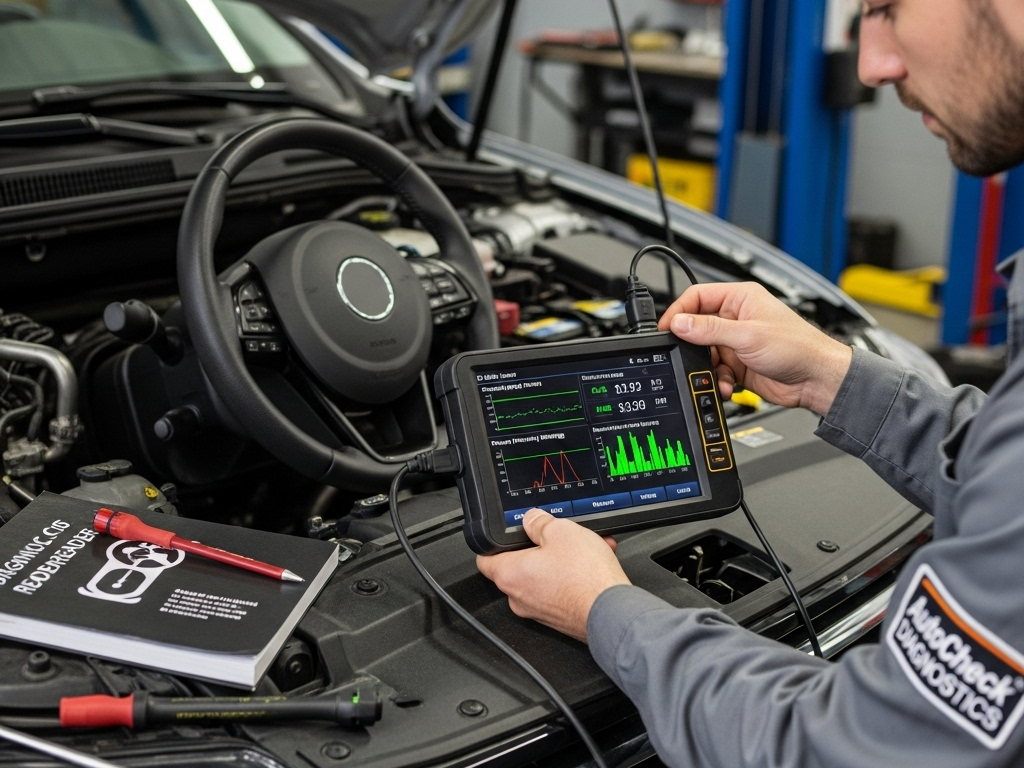
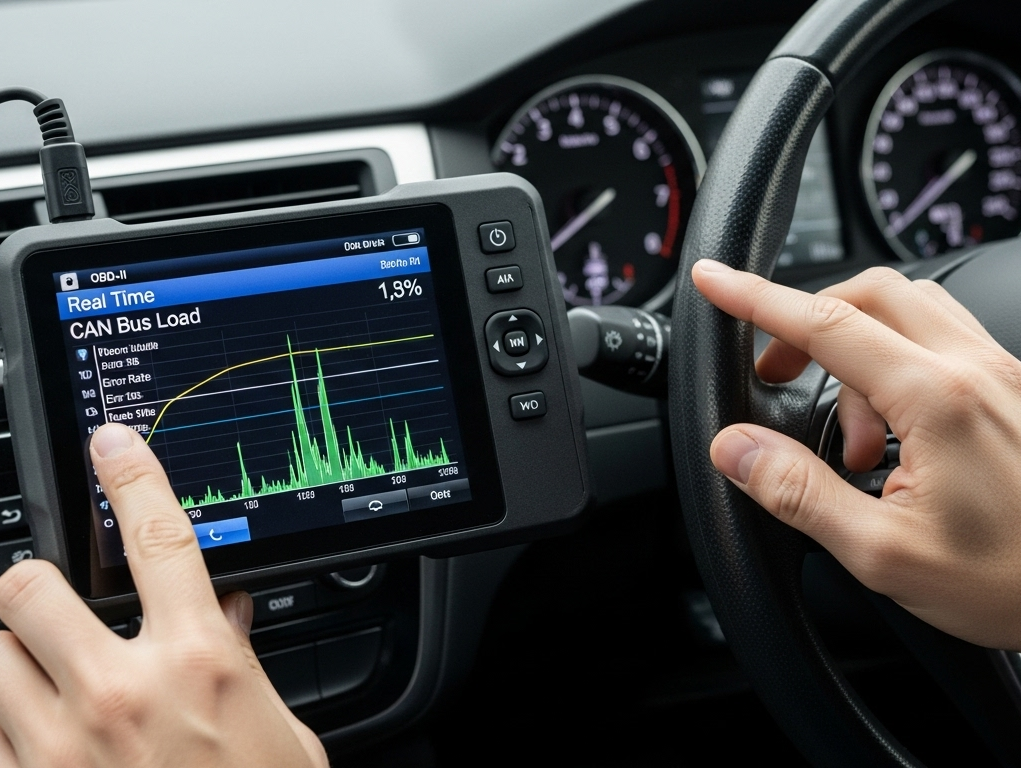
Diagnosing Tire Pressure Monitoring Systems tire monitoring in electric vehicles electric automobiles often involves more than simply visual inspection. Modern OBD2 diagnostic tools offer a ability to access TPMS data and diagnose potential errors. Utilizing these gadgets, technicians can examine fault codes, test sensor state, and even trigger sensor assessments, allowing for efficient diagnosis of tire pressure issues and minimizing outage periods. These is especially beneficial given the ballooning complexity of EV architecture.
Handling TPMS Frequencies: A Effective Overview for Western Europe, the East, and North America
Skillfully managing pressure gauges throughout Europe, Asian Continent, and North American Zone demands a full familiarity of the different spectrum allocations they apply. Separate from a unified system, all parts typically observes specific frequency electric vehicle scanner bands. For instance Eurozone largely bases on 3-1-5 MHz frequency and 433.92 MHz frequency, while US and Canada generally applies 3-1-5 MHz frequency nevertheless some current cars might carry 433.92 MHz. Eastern Asia reveals a higher complexity environment, with various spectral regions utilized, subject to the territorial division and automobile producer.
- Regard area rules regarding signal transmission.
- Seek out your driver's guide for explicit signal.
- Employ a monitoring device built for decoding multiple frequencies.