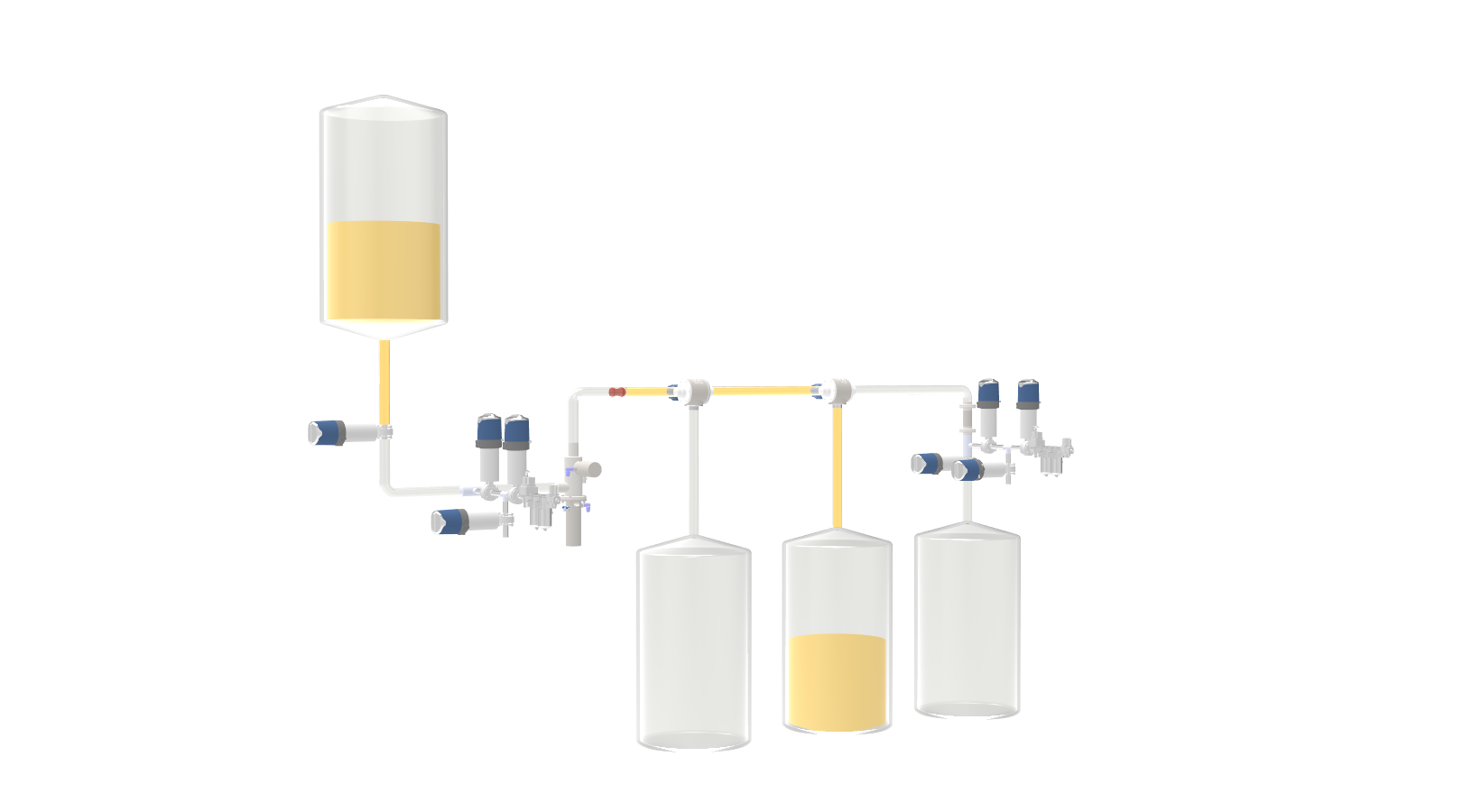
Elevating channel throughput needs meticulous optimization of Pig rate.
Detailed Flow Pig Speed Management: One Applied Guide
Fulfilling prime pig cadence is necessary for competent pipeline servicing. Managing pig progression accurately depends on a profound insight of diverse factors, such as pipeline shape, pig assembly, and substance traits. This handbook examines functional procedures for adjusting pig cadence, incorporating issues like launcher pressure, pigging system speed capture pressure, and the result of counterpressure. Finally, constant pig speed oversight leads to enhanced pipeline solidness and minimized dynamic charges.Elements Controlling Pigging Apparatus Momentum
Countless critical features impact the flow at which a pig advances through a pipeline. Force, both the leading and subsequent, is a substantial stimulus; a higher pressure differential generally contributes to a faster pigging movement. The thickness of the line also plays a effect, with larger diameters enabling for augmented pig velocities. Furthermore, the instrument's construction, including its measure and profile, straightforwardly changes its movement. Finally, the level of dirt and the texture of the pipe barrier can create impedance, restraining pigging speed.
Upholding Desired Pig Flow in Processes
Ensuring uniform medium velocity within network architectures is crucial for optimal results. Several factors influence material flow, including network bore, stress, and element density. Routine checking of component speed and swift fine-tuning of active specifications are necessary to mitigate clogs and conserve prime efficiency.
Regulating Pig Cadence: Key to Effective Pipeline Process
Properly operating cleaning cadence is unequivocally important for achieving a complete pipeline process. Overly rapid a velocity can weaken the channel, while lethargic a transition may block washing away all obstructions. Therefore, scrupulous optimization of the cleaning device's moving flow is necessary to for line integrity and service result.
One Outcome of Pig Flow on Pipeline Pigging Activities
Such momentum of the tool significantly modifies the productivity of pipeline service processes. A reduced speed may promote for more elaborate deposit removal, particularly in involved pipeline zones, but can prolong the overall project timeframe and potentially increase active expenditures. Conversely, a heightened rate can expedite the processing progression, abbreviating length and cost, however, it risks a inadequate cleaning and can likely stress the pipeline. Therefore, synchronizing equipment rate requires careful appraisal of pipeline specifications, material properties, and desired influences.
Servicing System Cadence: Optimal Procedures and Corrections
Improving cleaning configuration momentum is vital for enhancing productivity and minimizing waiting times. Normally, fitting servicing timing ranges spanning five distance units per second, although this can transform depending on channel cross-section, medium style, and apparatus design. If undergoing slow pigging momentum, consider factors such as above normal friction from mineral deposits, worn instrument aspects, or clogs within the network. Regular servicing, including equipment inspection and particulates washing, is imperative to support reliable maintenance cadence and general arrangement stability.
Grasping Pipeline Pig Timing and its Consequences
An cadence at which a equipment traverses a pipe is a major factor impacting output and security. Too swift can trigger excessive drag, potentially leading to intensified utilization and even early damage of the apparatus itself, as well as the channel. Conversely, tardy rate might cause deficient maintenance, protracted breaks, and a reduction in overall flow rate. Therefore, deliberate calculation and uniform monitoring of pig cadence are compulsory for optimizing pipeline operation and mitigating costly crashes.
State-of-the-art Practices for Pig Flow Steering
Optimizing pig pace throughout consumption presents a major challenge for present-day growers. Employing high-tech systems like on-the-spot analysis of particular organism's nourishment and utilizing exact diet provision systems can profoundly decrease instances of immoderate eating and elevate overall population success. Furthermore, uniting activity tracking with ecosystem manipulation – such as calibrating climatic factors and luminosity – provides important data for fine-tuning porcine timing methods and supporting a more even growth phase.