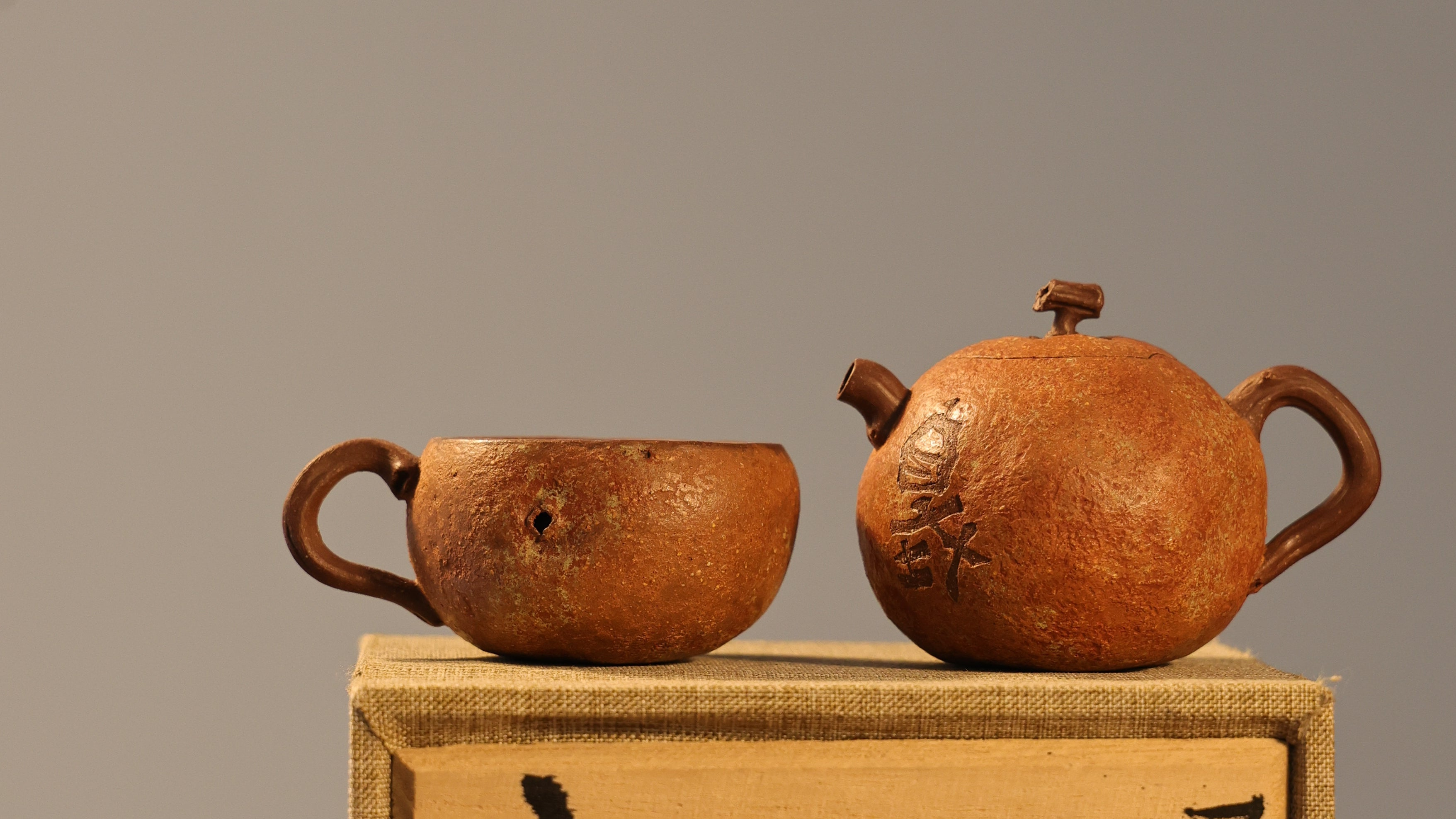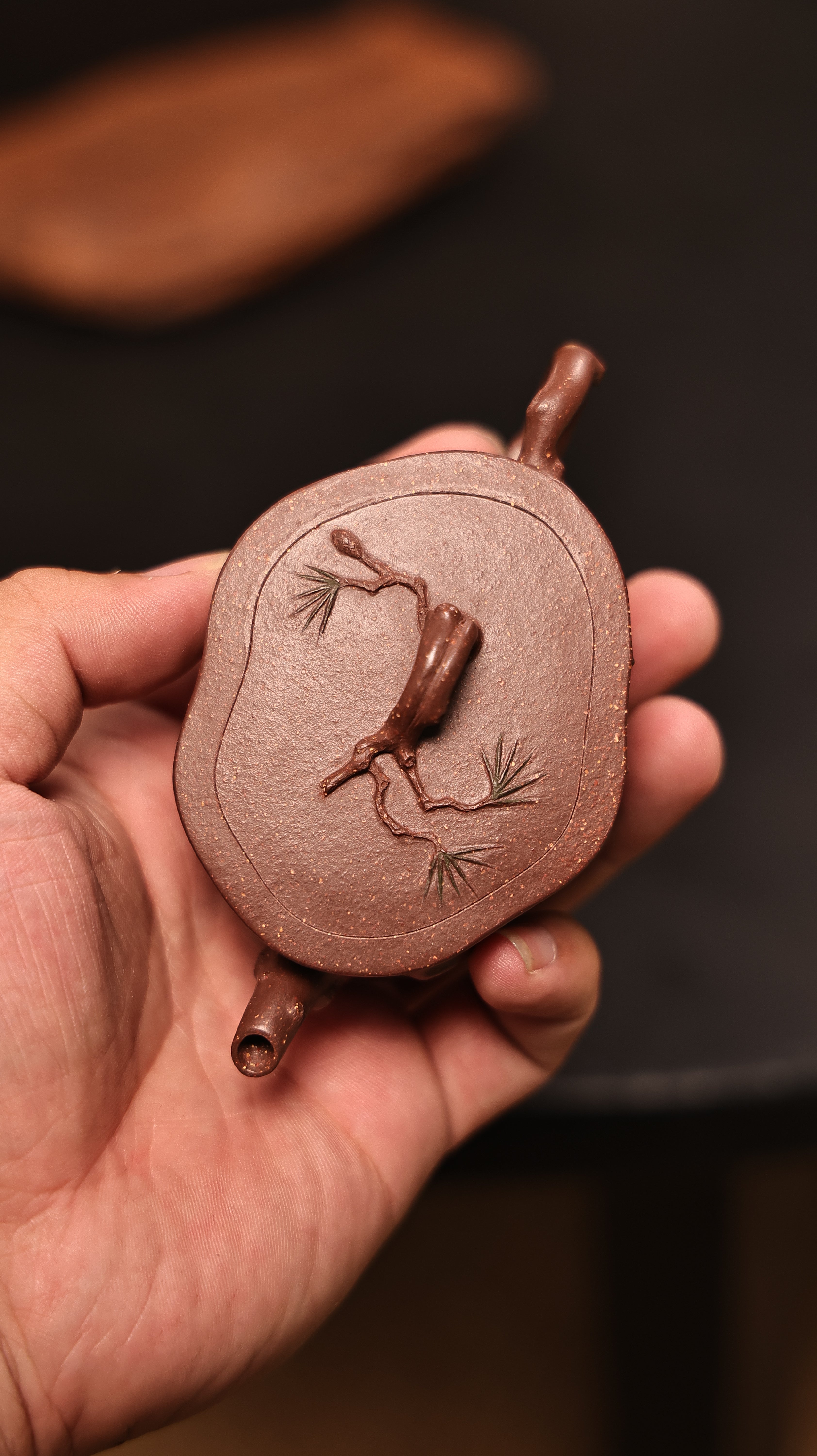
Continual lineage defines Zisha pottery alongside timespans,
Reflecting peculiar attributes extracted across domestic purple soils, these containers acquire a finish amid employment, boosting savor liberated from prepared liquids.
Exploring Yixing Dirt: Extensive Insights into Zisha
Varied collectors respect the peculiar consistency of Yixing plum clay, a base of heritage Chinese teaware. Coming from the Yixing region of Jiangsu province, this exceptional clay boasts an intricate mineral form, whereby furnishes excellent qualities to the executed containers. Forms within Zisha, including Purple Mud, Duan Ni Mud, and Jiang Xi Mud, each offers particular complexions, surfaces, and hardening traits, influencing the breathability and the peak note progression of the brew.
Chinese Urn Legacies: Exploring Craftsmanship
Celestial teapots embody greater than mere receptacles for tea; they illustrate centuries of heritage knowledge. From the legendary Yixing clay variations, respected for their ventilated nature which conveys unique aromas to the brew, to the fine porcelain from Jingdezhen, each piece unfolds a tale of artistry. The production process is an meticulous practice, often handed over through bloodlines of specialists. These masters use established approaches such as hand-building, shaping on wheels, and enhancing, demonstrating profound reverence for the material and the profession itself. Ponder the attention invested in each piece as a symbol of Chinese porcelain legacy.
- Fine containers: a celebrated preference.
- Delicate ceramics teapots: valued for their refined design.
- Fabricating techniques: a complex yet profitable procedure.
Eastern Clay Kettle Protection: Sustaining Your Valuable Artifact
Suitable care of your esteemed Yixing Zisha pot is fundamental to boosting its longevity. Crafted from noteworthy purple sand clay, these fine teapots attain a rich patina after employment, meaningfully boosting their allure. Do not use solvents; a gentle rinse with mildly heated hydrous matter is sufficient. Refrain heated water for washing the teapot, as it may break its fabric. Allow it to dry away from harsh sun beams. Consider familiarizing your teapot regularly using top-quality tea, especially fermented varieties. Here is a brief manual:
- Wash off with warm moisture.
- Stay away from solvents.
- Give it to dry naturally.
- Condition with choice tea.
Ancestry of Yixing Teapots: Commencement
The tale of Yixing teapots commences humbly during the Qing dynasty, near the 16th time. Initially, these items were not the respected items they are recognized as today. They were fashioned by local potters using the unique purple clay discovered solely in the Yixing vicinity. These early creations were largely utilitarian, meant for routine function and often plain in style. It was not until the subsequent dynasty that they started to earn recognition beyond mere practical articles.
Selecting the Fitting Traditional Jar: A Elementary Reference
Exploring the sphere of Yixing teapots can be challenging, but avoid concern! For novices, the central factor is understanding the sediment. Legitimate Yixing clay is prized for its breathability, allowing the teapot to hold the tea's aroma over time, enhancing every developing session. Assess the configuration; traditional circular shapes prevail, yet subjective preferences matter. Lastly, check the overlay—while some favor an natural appearance, others enjoy a faint gloss. Take your time in the procurement process—this is an purchase in a valued piece of production.
Native Clay Urns and Their Effect on Chinese Tea Ceremony
Zisha pots, originating from Yixing, China, have profoundly dictated enduring Chinese brew culture. Those Yixing clay teapots, prized for their recognizable cast, consistency, and exceptional ability to impart a subtle aroma to the potion, exist as more than mere holders; they are admired pieces of art and symbols of distinction. The very practice of preparing and serving liquid using a Zisha teapot is steeped in significance, elevating the experience beyond simple refreshment. Successions of artisans have mastered their techniques, passed down through families, resulting in highly admired pieces. Hence, Zisha teapots are frequently valued, playing a crucial part in cultivating traditional appreciation for aesthetics and the practice of liquid ceremonies.
- Special Clay Composition
- Contributing Subtle Flavor
- Decorative Craftsmanship
Establishing Legitimate Special Native Pieces
Buying a truthful Yixing teapot can be a fulfilling experience, but the environment is often infested with frauds. Differentiating between a real antique and a contemporary reproduction requires precise inspection. Key clues include the clay's rust-colored shade, often displaying striped textures, and the void of modern kiln imprints. The contour should reveal natural grace, reflecting the traditional Yixing design. Finally, evaluating the artisan's inscription is paramount to verify legitimacy against official testimonies.
- Assess the clay's feel.
- Look for irregularities, indicative of tailored quality.
- Seek an connoisseur for validation.
Acquiring Purple Kettles: A Detailed Reference to Earthenware Awareness
The market of Eastern Zisha earthenware delivers a outstanding opportunity for astute buyers. Gradually, the appraisal of these skilled artifacts is influenced by Purple Clay Teapot several aspects, such as the level of material, the proficiency of the fabricator, the time-honored consequence, and, naturally, the current market. Newcomers should focus on researching the diverse categories of Zisha clay—such as Glacial, Quiet Jug, and Crimson Soil—and exploring the aspects linked to each. Exact analysis of the earthenware's contour, tone, and signature is further vital to make knowledgeable choices when investing.