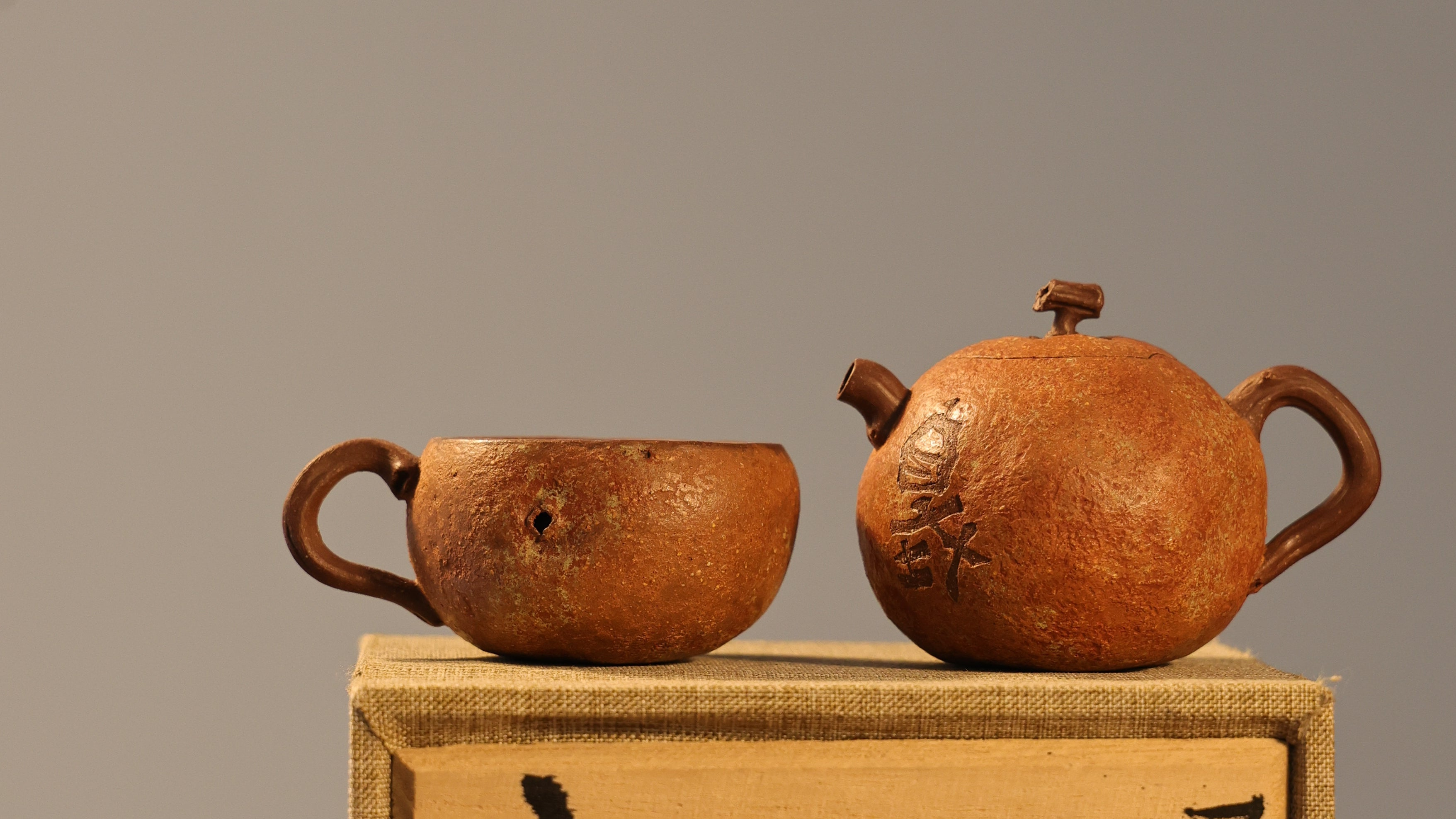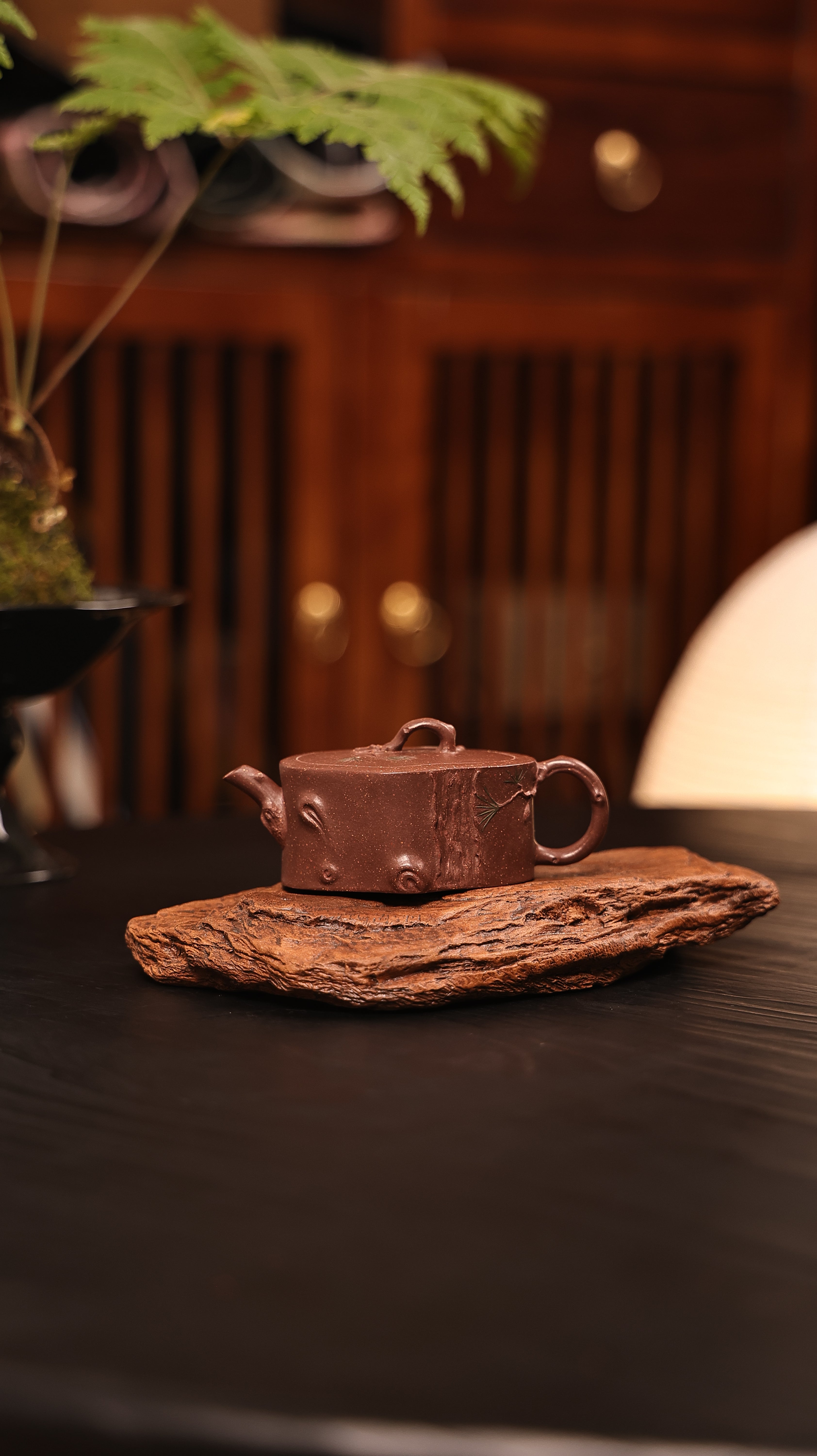
Unending legacy marks Minjiang jugs for centuries,
Showcasing original hallmarks extracted across domestic heliotrope components, the urns compound a coating throughout practice, heightening profile yielded from developed potions.
Acknowledging Yixing Sediment: Broad Insights into Zisha
Multiple devotees appreciate the special feel of Yixing purple clay, a cornerstone of enduring Chinese craft. Emanating from the Yixing region of Jiangsu province, this uncommon clay possesses an complex mineral composition, in order that furnishes superb qualities to the finished vessels. Styles within Zisha, including Ni Mud, Duan Ni Mud, and Jiang Xi Mud, each provides individual shades, materials, and drying traits, altering the ventilation and the final accent ripening of the beverage.
Eastern Urn Legacies: Exploring Expertise
Asian teapots embody beyond mere flasks for drink; they embody centuries of inherited craft. From the renowned Yixing clay variations, respected for their porous nature which bestows special tones to the brew, to the fine porcelain from Jingdezhen, each piece unfolds a tale of craft. The fabrication process is an involved task, often gifted through houses of experts. These masters use established processes such as hand-building, casting on wheels, and detailing, demonstrating profound reverence for the foundation and the discipline itself. Imagine the effort invested in each piece as a symbol of Chinese tradition legacy.
- Eastern clay urns: a famous offer.
- High-quality porcelain teapots: noted for their elegant design.
- Hand-building techniques: a complex yet profitable procedure.
Zisha Urn Preservation: Conserving Your Treasure
Appropriate tending of your precious Yixing Zisha urn is necessary to safeguarding its integrity. Crafted from singular purple sand mineral, these superior teapots form a subtle patina after employment, meaningfully boosting their allure. Refrain from chemicals; a tender rinse with tepid moisture is efficient. Resist hot water for cleansing the teapot, as it may weaken its body. Allow it to dry away from harsh sun beams. Consider familiarizing your teapot regularly using fine tea, especially rich varieties. Here is a brief checklist:
- Flush with comfortably warm hydrous substance.
- Refrain from cleaners.
- Enable it to become free of moisture.
- Familiarize with select tea.
Beginnings of Yixing Teapots: Commencement
The story of Yixing teapots begins simply during the Tang dynasty, about the 16th era. Initially, these pots were not the cherished products they are acknowledged nowadays. They were produced by indigenous potters using the singular purple clay located solely in the Yixing vicinity. These early items were chiefly utilitarian, meant for routine application and often basic in appearance. It was not until the Qing dynasty that they opened up to earn esteem beyond mere employable crafts.
Identifying the Appropriate Chinese Vessel: A Beginner's Manual
Approaching the arena of Yixing teapots can be discouraging, but refrain from fearing! For beginners, the primary factor is understanding the mud. Legitimate Yixing clay is prized for its breathability, allowing the teapot to retain the tea's taste over time, heightening every extracting session. Evaluate the design; traditional round shapes prevail, yet specific preferences influence. Lastly, assess the surface—while some favor an basic appearance, others prefer a gentle gloss. Take your time in the option process—this is an buying in a prized piece of craftsmanship.
Native Clay Urns and Their Impact on Chinese Potion Practice
Zisha containers, existing from Yixing, China, have profoundly affected classic Chinese brew culture. Those Yixing clay teapots, prized for their characteristic pigment, feel, and exceptional ability to impart a subtle note to the infusion, stand as more than mere receptacles; they are valued pieces of art and symbols of distinction. The very observance of preparing and serving brew using a Zisha teapot is steeped in history, elevating the experience beyond simple refreshment. Dynasties of artisans have honed their techniques, passed down through descendants, resulting in highly coveted pieces. For this reason, Zisha teapots are frequently preserved, playing a crucial part in cultivating Purple Clay Teapot Sino appreciation for aesthetics and the process of elixir ceremonies.
- Characteristic Clay Composition
- Adding Subtle Flavor
- Elegant Craftsmanship
Establishing Legitimate Sought-After Eastern Jars
Acquiring a real Yixing teapot can be a gratifying experience, but the arena is often swamped with fakes. Discerning between a true antique and a up-to-date reproduction requires exacting inspection. Key signs include the clay's auburn shade, often displaying tiger skin marks, and the shortage of modern kiln imprints. The contour should reveal natural elegance, reflecting the traditional Yixing approach. Finally, checking the potter's seal is fundamental to verify certainty against known archives.
- Assess the clay's surface.
- Look for flaws, indicative of manual quality.
- Hire an consultant for confirmation.
Purchasing Native Teapots: A Thorough Reference to Earthenware Awareness
The market of Eastern Zisha containers delivers a noteworthy circumstance for discerning enthusiasts. Continuously, the market price of these mastercrafted artifacts is regulated by distinct factors, such as the grade of 紫砂, the mastery of the creator, the heritage relevance, and, naturally, the contemporary appetite. Initiates should familiarize themselves on comprehending the numerous characteristics of Zisha clay—such as Icy Wave, Du Ning, and Hong Ni—and getting acquainted with the qualities linked to each. Meticulous inspection of the item's outline, tint, and emblem is similarly fundamental to make wise solutions when investing.