Picking a machine, the option often equals knuckle boom versus extendable boom. Constant booms give simplicity and are optimal for orthogonal lifts, but jointed jibs produce enhanced maneuverability, facilitating access to confined spaces. Consider the construction area; if you’re predominantly facing obstructions or necessitate more detailed positioning, a variflex lift is probably the greater option. However, for open-air areas and rudimentary lifts, a telescopic arm might serve as a enhanced thrifty solution.
Comprehending Heavy-Duty Lifting Arm Handling Equipment: Tasks and Benefits
Rigid arm hoists represent a custom type of lifting up equipment, developed for heavy load handling in challenging settings. Their principal property is a unyielding lifting arm architecture, which provides for specific positioning and refined solidity, especially when carrying out in compact spaces or at notable heights. Common applications include bridge construction, industrial projects, wind zone establishment, and urban augmentation. The vital blessings consist of increased welfare, amplified effectiveness, and the capability to achieve tasks that could be unachievable with conventional installations. This reflects to lessened expenditures and enhanced venture outcomes.
Quay Elevators: The Behemoths of Waterfront Container Handling
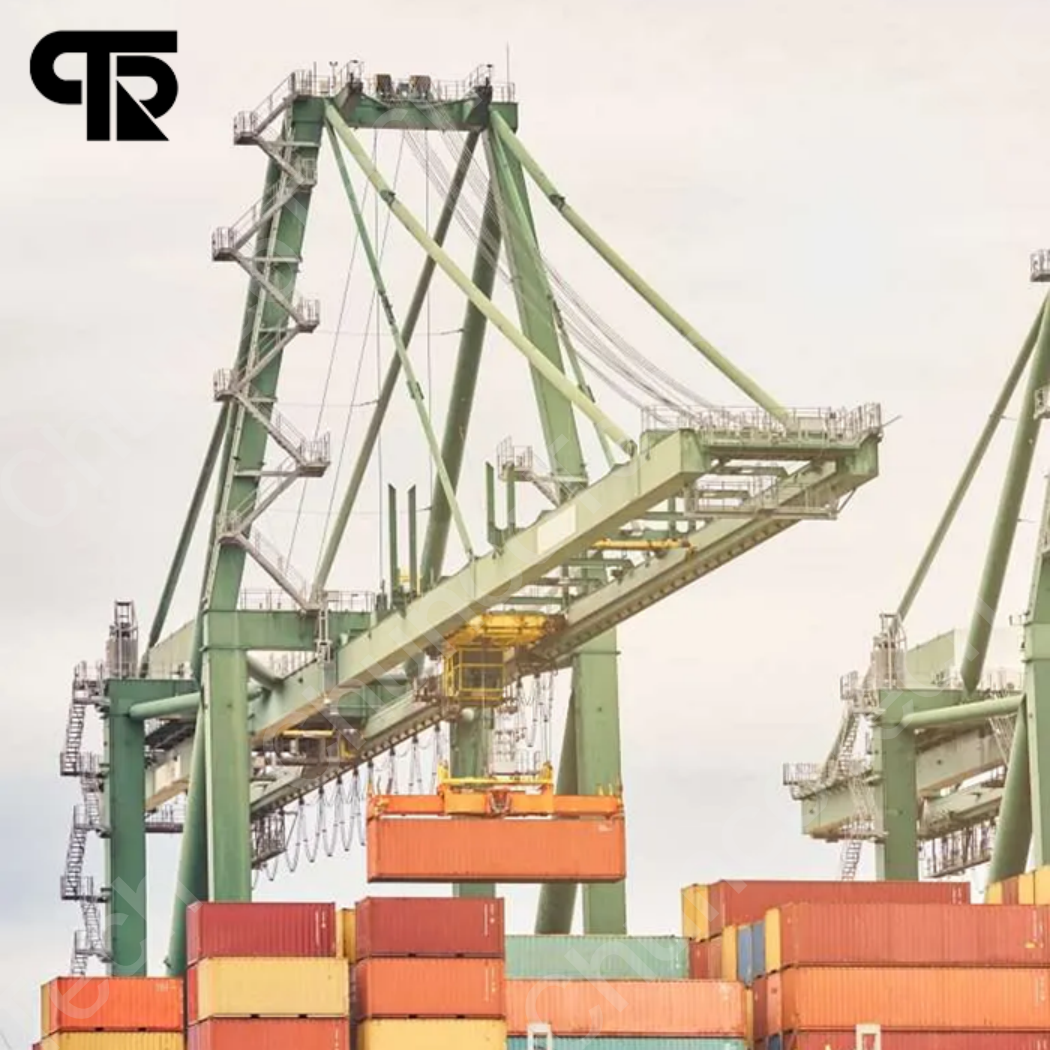
Newest monumental STS hoists represent the height of engineering achievement in the marine industry. Designed to promptly load and offload containers between ships and the harbor, they are important for the seamless operation of modern ports. Their magnitude – often exceeding a ton yards – and incredible bearing power allow them to handle the greatest container ships currently in employment, fundamentally molding global trade.
Knuckle Boom Cranes: Multitasking in Heaving Tasks
Folding devices are esteemed for their exceptional variability, providing operators with a particular advantage in multiple handling functions. Featuring a jointed boom segment, these durable machines can stretch around obstructions and arrange objects in compact locations. This faculty makes them suitable for engagements in development, handling, energy endeavors, and numerous other branches. In summary, knuckle boom cranes offer a crucial method to tough raising prerequisites.
Straight Boom Cranes: Fineness and Firmness Described
Straight boom machines are noted for their superior skill to deliver correct lifting and deployment of objects. Unlike collapsible models, their elementary design yields congenital balance, making them perfect for applications requiring elevated quantities of direction and restricted movement. This characteristic is eminently essential in building sites and categories where severe tolerances are necessary.
Robust Lifting Equipment Advantages: Whenever Hardness Is Necessary
Usual arm apparatus often face challenges with flex, especially when bearing bulky burdens or operating at important extents. Though, heavyweight lifting arm apparatus produce a clear upper hand by limiting unfavorable jarring. This enhanced steadiness amounts to risk-free tasks, amplified meticulousness, and a diminished danger of payload fluctuation. Ultimately, robust boom are recommended for functions where engineering strength is critical.
Dockside Cranes: One Insightful Study into STS Design
Such portside gantry solution represents the critical component related to modern load terminals. Advanced ship-to-shore hoists are advanced formulations fabricated to promptly unload units off of large freight crafts at shore-based networks. Their activity involves fineness making and combined management to maintain welfare and maximize performance.
Examining Crane Kinds: Segmented, Fixed, Tough, and Pier
Going for the optimal lifting device for a particular task is necessary. While many variants exist, four usual types – folding cranes, rigid cranes, fixed cranes, and harbor cranes – display significantly distinct competencies. Knuckle cranes provide enhanced maneuverability due to their jointed part, making them appropriate for tight locations. Boom cranes provide versatile length through their movable part, perfect for inclusive elevating demands. Stiff cranes sustain a erect arm, preferred for detailed settings where stability is required. Finally, Dockside cranes, designated for package movement at piers, include huge moving potency and prolonged length.
- Pivoting Handler Classes
- Rigid Machine Kinds
- Robust Crane Models
- Jetty Crane Varieties
Specific Growth Pertaining to STS Cranes: Movements and Enhancements
Across recent eras, STS (Ship-to-Shore) crane mechanics has undergone a substantial revolution, prompted by requirements for greater port productivity. Early STS cranes were relatively simple systems, applying basic loading mechanisms. Now, today's STS cranes incorporate sophisticated machinery, including high-tech control systems, intelligent positioning characteristics, and upgraded safety systems. A key phenomenon is the inclusion of powered by batteries propulsion, minimizing effluents and increasing operational sustainability. What’s more, the rise increasingly widespread automated operation and algorithmic maintenance are altering the future of STS crane use. The horizon sees ongoing consideration on electricity efficiency and the formulation of even bigger cranes to handle mountingly huge container carriers.
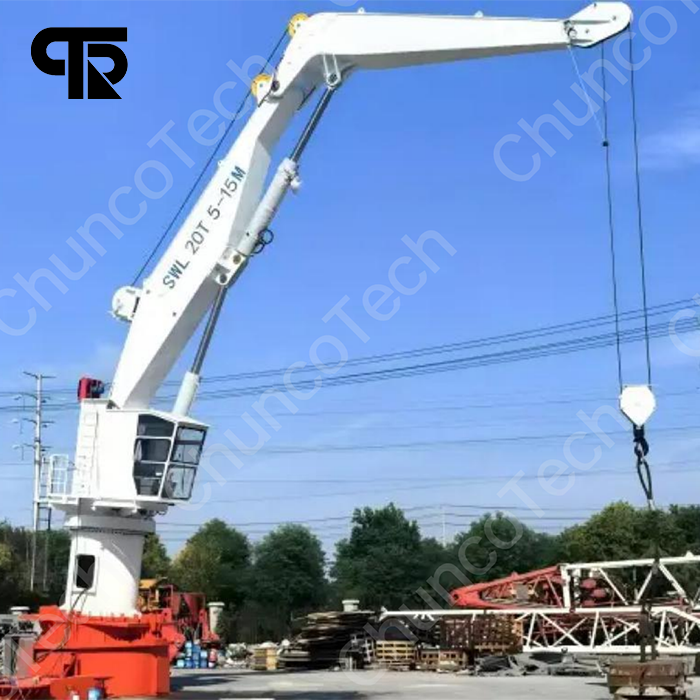 Knuckle Boom Crane