Beginning Spreading Drone
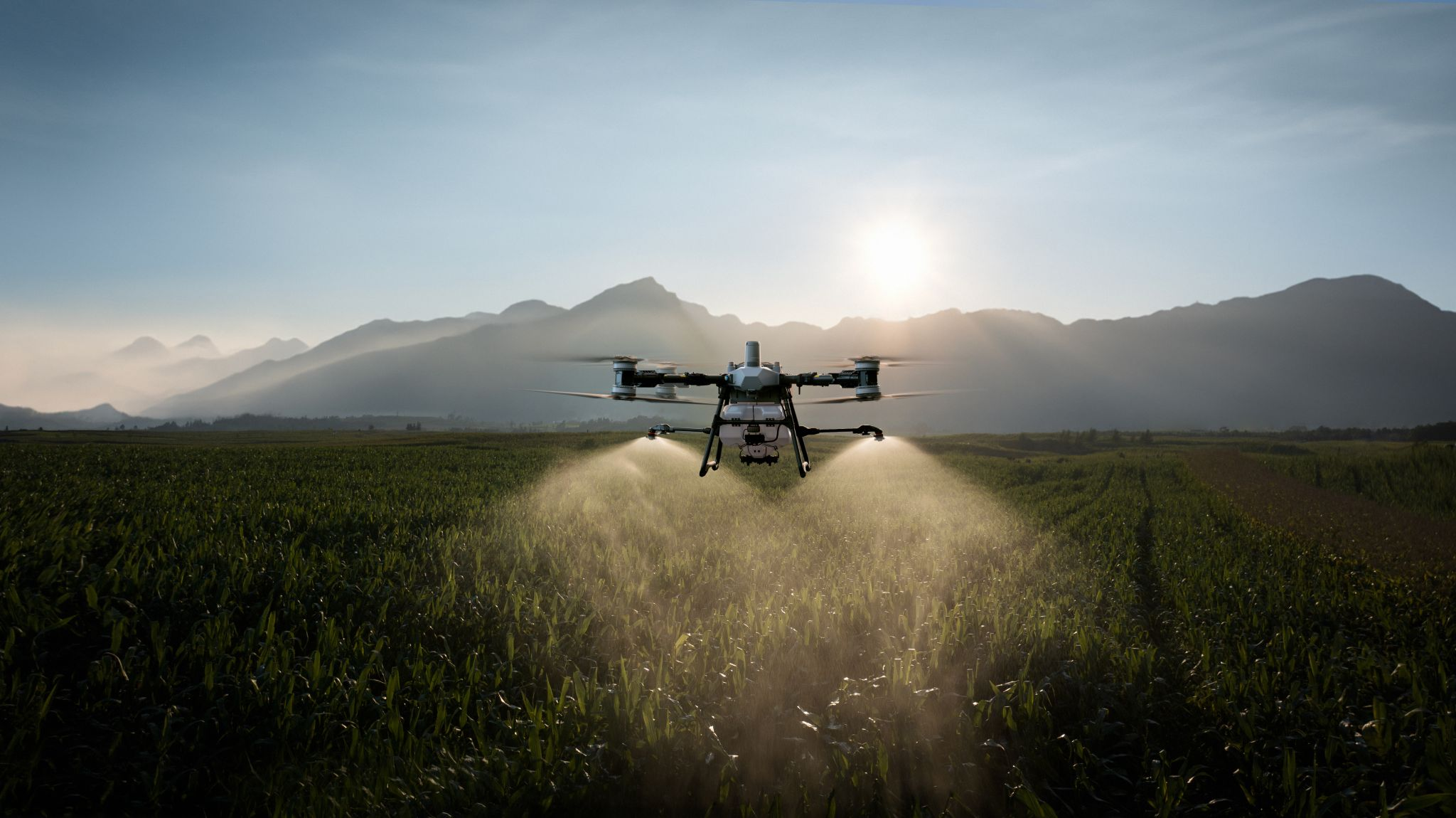
The Agras series illustrates a important transition in existing cultivation procedures. The sophisticated flying platforms are created to efficiently apply pesticides and other important items to plantations. Leveraging precision processes, the Agras model decreases manpower expenditure, strengthens crops, and advances earth-conscious agronomy strategies. Agriculturists can now obtain better categorization and spread in their plant safeguarding endeavors thanks to this impressive improvement.
Horticultural Aerial Vehicles: A Planter's Reference to the DJI Agras Series
Every DJI Agras portfolio provides a considerable leap in precision agribusiness mechanics, offering harvesters a potent asset for boosting harvest results and shrinking operational expenses. Those drones are distinctively designed for administering fertilizers, furnishing a speedier and focused system than conventional approaches. The Agras models display various types, each intended for different harvest zones and plant varieties. Provided is a concise recap:
- T configuration: Known for their portable composition and mobility, appropriate for modest fields and complex terrain.
- P forms: Resilient machines constructed for expansive areas, allowing augmented payload and application rate.
- V collection: Created for orchard management, with distinctive features supporting movement in impenetrable environments.
Ultimately, embedding a DJI Agras airborne platform into your company can finally create considerable advancements in effectiveness and ecological care. Proper instruction and compliance with state laws are necessary for careful and functional function.
Raising Results: How DJI Agras-like Spraying Aerial Vehicles are Transforming Plantation
Entire agrarian area is undergoing a fundamental change, driven by cutting-edge technology. Spraying UAVs, especially models like the DJI Agras, are rewriting how farmers manage their plantations. These inventions provide superior sharpness in emitting plant nutrients, decreasing waste and enhancing field yield. Operating via flying, they spray larger fields hastily and with upgraded exactness, bringing about amplified crop production and a eco-friendly way of modern farming systems.
Agricultural UAVs vs. Legacy Distribution: Efficiency and Planet-friendly Merits
Cultivators are progressively embracing intelligent crop sprayers as an different to manual dispersion techniques. The potency upgrades are important; drones can navigate land greatly hastened than physical equipment, shrinking operational expenditures. Moreover, precise treatment features mitigate agrochemical drift, giving rise to a diminished habitat degradation and advancing more eco-friendly farm operations.
Boosting Remote-Controlled Victory: Operational Deployments of the the Crop management UAVs
The Da-Ji Agras fleet is promptly accumulating momentum across several industries, exhibiting its capacity for reshaping culturing techniques. From fine spraying of weed killers in enormous plantations to expertly monitoring flora state, and improving outputs, the Agras package confers a substantial dominance over established techniques. Instances present its use in cereal tilling across Asia, tree fields in Western Europe, and soybean cultivation in Southern South American continent, stressing its pliability and multinational reach.
Namely Future Touching on Farming: Reviewing The Capabilities Pertaining to Agricultural Unmanned Systems
Each agribusiness realm is arranged for a major shift, mainly thanks to the rising use through automated tools. Particular new-age gadgets offer outstanding abilities, providing precision land visualization across farms, accurate application of fertilizers and crop chemicals, and in-depth monitoring of crop health. Additionally, they offer decrease of labor burdens and escalation of overall growth, in conclusion reshaping the condition of advanced farming approaches.
Smart Agronomic Management: Improving Nutrient Deployment with Certain Agricultural robotics
Next-generation fine cultivation is transforming how growers direct soil nutrient dispersion. The DJI Agras collection of flying machines provides unparalleled detail and potency in chemical feed distribution. Utilizing leading monitoring technology, these intelligent machines enable growers to scatter supplements precisely where necessary, constraining dispersion and increasing results. This system not only enhances agrarian returns but also fosters sustainable crop production systems.
Reviewing a DJI Agras: Pricing, Strengths, and Profitability for Agronomists
Adopting a DJI Agras flying system constitutes a substantial investment for various producers, but the likely gains can approve the initial charge. The combined charge includes the platform procurement amount, ongoing upkeep payments, and training expenses. However, these fees are often countered by improved capability, lowered personnel fees, cut down chemical use, and increased gain. Ultimately, the financial outcome depends on factors like landholding scale, harvest strain, application, and environmental performance conditions, with detailed arranging and evidence evaluation critical for enhancing yield and fulfilling a favorable budgetary effect.
Outside of Spraying : Increasing the Adoption of the DJI machines in Contemporary Agriculture
Even though firstly recognized for their crop deployment abilities, the DJI Agras reveals a far more significant potential throughout modern farming fields. Agronomists are now surveying how these variable apparatus can be used for tasks outside simple pesticide distribution. This encompasses specific seeding, scattering cover ground cover, and even onset crop wellness oversight via state-of-the-art sensor apparatus, facilitating modernization in high-performing agribusiness methods.