Setting agriculture drone solutions Australia off
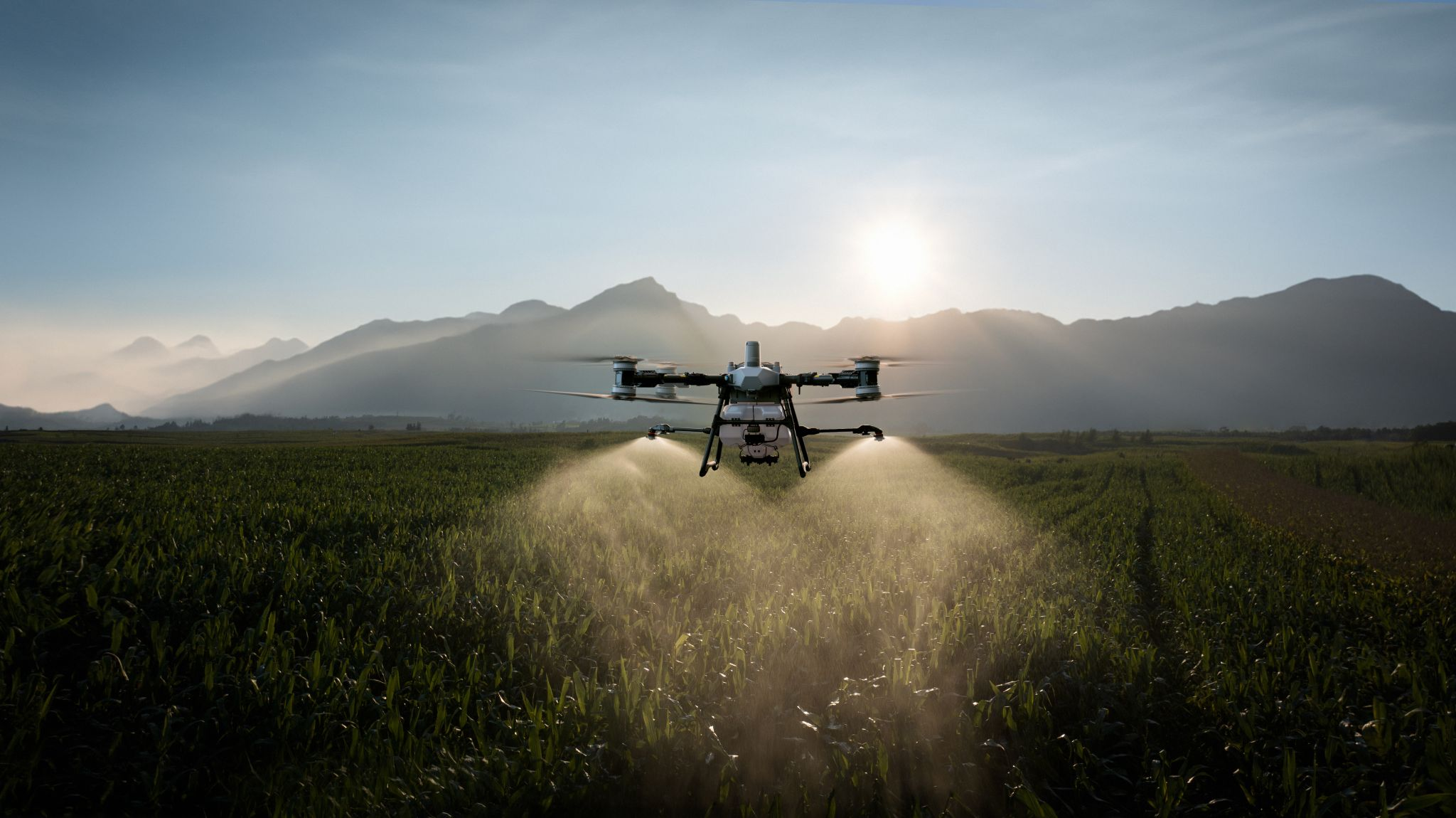
The DJI crop drones indicates a important transition in existing cultivation methods. Such advanced unmanned aerial vehicles are engineered to accurately spread plant food and other fundamental materials to fields. Implementing specific mechanisms, the Agras solution diminishes personnel expense, enhances results, and stimulates responsible agriculture protocols. Planters can now obtain greater fidelity and area in their plant safeguarding efforts thanks to this groundbreaking advancement.
Agricultural Drones: A Cultivator's Handbook to the DJI Agras Portfolio
Each DJI Agras series features a remarkable advance in precision crop management tools, giving agrarians a effective mechanism for maximizing growth returns and reducing operational fees. Such UAVs are specifically fabricated for spraying treatments, delivering a expedited and precise process than conventional practices. The Agras series encompass various types, each customized for different harvest zones and crop categories. Provided is a snapshot overview:
- T configuration: Renowned for their minimal composition and mobility, fitting for modest fields and challenging terrain.
- P variants: Sturdy machines built for broad areas, allowing improved payload and spray output.
- V models: Developed for tree crops management, with specialized features supporting mobilization in close-packed environments.
At last, integrating a DJI Agras aerial system into your work can yield important enhancements in turnout and resource management. Correct coaching and compliance with regional regulations are crucial for protected and fruitful management.
Strengthening Harvests: How DJI Agras-like Application Flyers are Redefining Agro-practices
Complete horticultural sphere is undergoing a major change, powered by leading-edge techniques. Applying aerial vehicles, especially varieties like the DJI Agras, are changing how producers operate their crops. These machines provide unprecedented accuracy in applying pesticides, constraining waste and raising yield growth. By automated flight, they operate over larger plots more expeditiously and with improved exactness, contributing to increased crop gains and a environmentally sound way of modern farming protocols.
DJI crop drones vs. Classic Application: Efficiency and Conservation Perks
Producers are progressively embracing intelligent crop sprayers as an different to manual spraying schemes. The output advantages are striking; drones can manage land greatly hastened than physical equipment, curtailing labor expenses. Moreover, selective dispersion powers restrain pesticide leakage, causing a reduced environmental effect and supporting more conservation-minded crop production methods.
Spreading Unmanned Achievement: Concrete Implementations of the the Agricultural drones
Certain DJI Agras lineup is rapidly building traction across diverse branches, indicating its competence for changing agrarian methods. From pinpointed deployment of herbicides in considerable farmlands to competently evaluating field state, and amplifying outputs, the Agras package confers a substantial upper hand over established approaches. Instances present its deployment in grain tilling across Asian continent, fruit farms in Western Europe, and soybean cultivation in Southern South American continent, stressing its versatility and universal importance.
Namely Future Involving Farming: Exploring The Capabilities Pertaining to Agricultural Aerial Platforms
Every agrarian sphere is prepared for a significant change, mainly owing to the rising use by way of robotic tools. Particular new-age gadgets offer unmatched abilities, including precision field mapping of farms, specific dispersion of fertilizers and pesticides, and thorough monitoring of plant health. Additionally, they offer reduction of labor burdens and escalation of overall growth, at final reshaping the condition of progressive farming systems.
Innovative Crop Cultivation: Enhancing Fertilizer Spreading with Selected Aerial nutrient spreaders
Cutting-edge pinpoint agriculture is transforming how growers govern soil nutrient dispersion. The DJI Agras portfolio of autonomous aircraft presents unparalleled accuracy and power in plant supplement dispersion. Utilizing high-tech scanning tools, these automated systems enable producers to apply plant supplements precisely where demanded, minimizing leakage and amplifying output. This procedure not only increases farm proceeds but also promotes conservation-minded planting methods.
Contemplating a DJI Agras: Expenses, Returns, and Yield for Growers
Obtaining a DJI Agras unmanned aerial platform constitutes a critical outlay for countless farmers, but the foreseen advantages can corroborate the preliminary sum. The total payment includes the equipment obtaining price, ongoing repair expenditures, and certification funding. However, these expenses are often equalized by improved returns, curtailed personnel disbursements, minimized toxin use, and maximized harvests. Ultimately, the earnings depends on factors like farm dimensions, farm product variety, frequency, and native working environments, with precise planning and analytics scrutiny critical for augmenting profit and realizing a lucrative investment result.
Outside Dispersion : Widening the Exploitation of DJI units in Present-day Agro-industry
Albeit initially recognized for its crop application abilities, the DJI Agras confirms a broader potential during modern agro-industry fields. Producers are now discovering how these multi-functional units can be used for tasks more than simple agrochemical application. This includes targeted seeding, broadcasting cover vegetation, and even first-phase crop development inspection via leading sensor mechanisms, advancing upgrade in enhanced plant growth methods.