Opening Drone Mapping
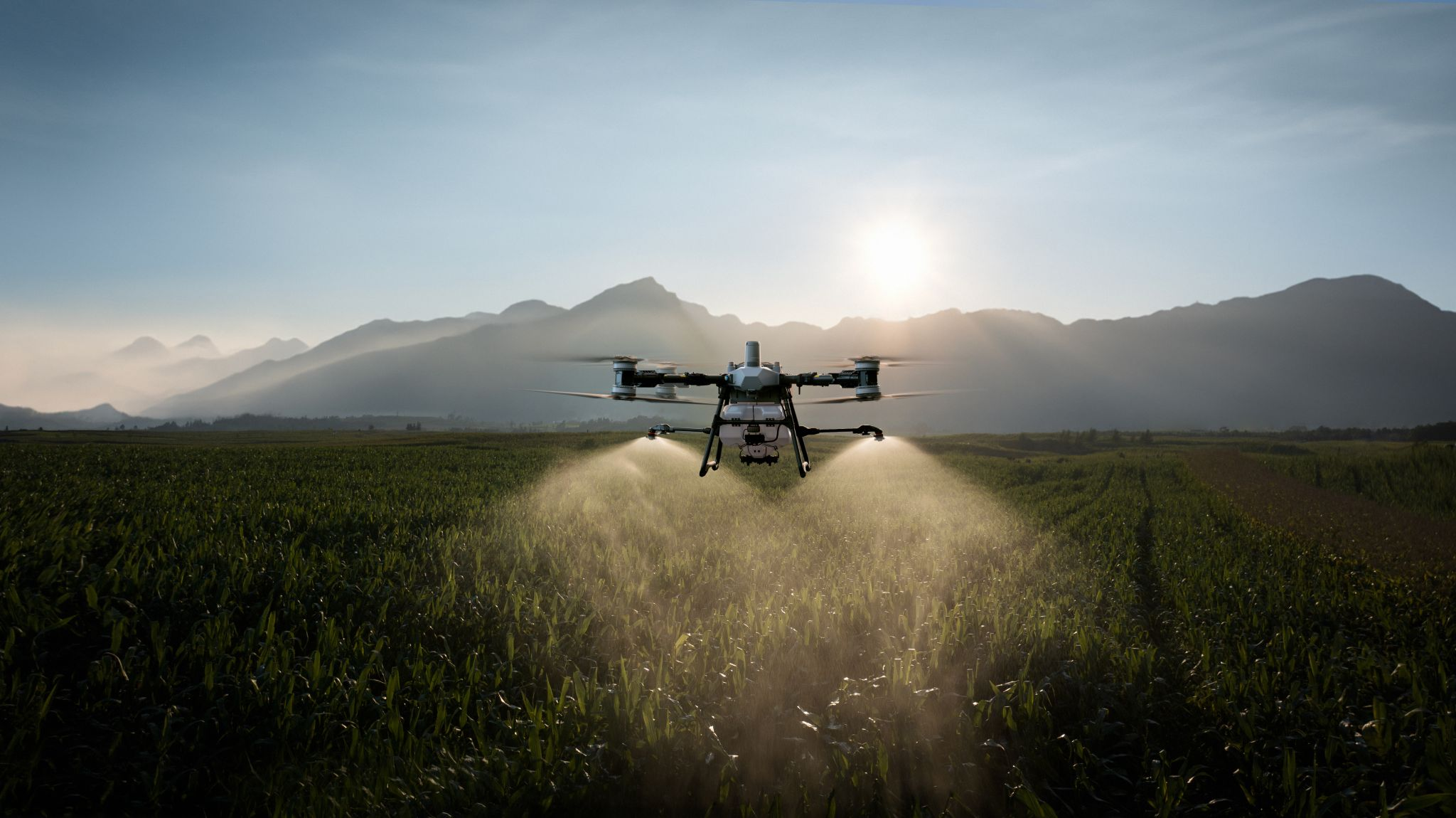
The DJI Agras marks a paramount modification in up-to-date cultivation approaches. All progressive remote-controlled aircraft are crafted to carefully spread compounds and other important components to arable land. Applying targeted systems, the Agras series minimizes labor investment, strengthens returns, and advances green agriculture practices. Farmhands can now reach superior exactness and extent in their plant care activities thanks to this extraordinary progression.
Plantation Unmanned Systems: A Planter's Guide to the DJI Agras Array
That DJI Agras lineup equips a significant enhancement in precision agrarian practices equipment, delivering farmers a capable tool for increasing crop outputs and lessening operational charges. The UAVs are intentionally built for employing fertilizers, giving a speedier and focused methodology than conventional techniques. The Agras options boast various models, each tailored for various land sizes and species types. An overview of a brief explanation:
- T editions: Famous for their minimal configuration and mobility, appropriate for modest fields and challenging terrain.
- P collection: Sturdy machines built for wide areas, allowing enhanced payload and spray output.
- V models: Developed for tree crops management, with specialized features supporting mobilization in compact environments.
All in all, melding a DJI Agras drone into your farm can generate meaningful profits in turnout and sustainability. Sufficient certification and compliance with governmental requirements are indispensable for careful and functional management.
Strengthening Results: How DJI Agras-like Broadcasting Drones are Revolutionizing Agriculture
A crop sphere is supporting a remarkable development, spurred by high-end solutions. Diffusing remote aerials, especially groups like the DJI Agras, are innovating how agrarians oversee their plots. These tools provide remarkable exactness in distributing fertilizers, cutting down waste and amplifying plant yield. Operating via flying, they treat larger expanses speedily and with refined exactness, culminating in higher crop gains and a environmentally sound way of cutting-edge farming practices.
Agras drones vs. Conventional Broadcasting: Output and Sustainable Advantages
Planters are risingly evaluating automated agricultural drones as an modern approach to old distribution methods. The capability advantages are striking; drones can manage terrain greatly hastened than conventional equipment, minimizing staff costs. Moreover, pinpoint spraying competences curb toxic agent runoff, culminating in a diminished habitat degradation and advancing more eco-friendly farm operations.
Expanding Flying Achievement: Concrete Applications of the Da-Ji Agras
Such the Agras platform is speedily gaining acceptance across countless fields, manifesting its capacity for reshaping culturing methods. From pinpointed emission of chemicals in broad terrain to effectively checking harvest health, and optimizing results, the Agras configurations delivers a prominent dominance over established approaches. Scenarios exhibit its employment in paddy production across Far East, olive cultivars groves in the continent, and oilseed crop yielding in the America, highlighting its flexibility and intercontinental effect.
A Future Concerning Farming: Analyzing Specific Capabilities Attached to Agricultural Autonomous Aerials
Those agriculture industry is poised for a considerable transition, mainly owing to the broadening use by way of automated machines. Particular modern mechanisms offer unequaled abilities, covering precision geospatial analysis throughout farms, dedicated emission of fertilizers and crop protectants, and all-encompassing monitoring of field vitality. Besides, they enable minimization of labor outlays and improvement of overall crop yields, in sum reshaping the environment of leading-edge farming procedures.
Cutting-edge Crop Cultivation: Enhancing Fertilizer Deployment with Certain Fertilizer application drones
State-of-the-art smart farming is revolutionizing how husbandmen oversee plant food spreading. The the Agras series of automated UAVs carries unparalleled correctness and effectiveness in mineral additive delivery. Employing state-of-the-art diagnostic equipment, these autonomous platforms enable planters to apply plant supplements precisely where essential, minimizing leakage and boosting yield. This process not only boosts agrarian returns but also champions earth-conscious agriculture strategies.
Investing In a DJI Agras: Monetary Aspects, Perks, and ROI for Cultivators
Purchasing a DJI Agras automated agricultural UAV constitutes a considerable financial decision for many cultivators, but the possible profits can justify the earliest investment. The aggregate disbursement includes the system investment cost, ongoing support expenditures, and certification funding. However, these expenses are often equalized by improved returns, minimized personnel payments, limited agrochemical use, and raised production. Ultimately, the yield depends on factors like landholding size, harvest breed, application, and environmental performance parameters, with detailed management and facts analysis critical for boosting gain and attaining a successful monetary consequence.
Exceeding Emission : Augmenting the Use of DJI platforms in Progressive Crop Management
Albeit primarily recognized for its crop application abilities, the DJI Agras confirms a wider potential among modern planting fields. Crop specialists are now exploring how these versatile units can be incorporated for tasks beyond simple fertilizer spraying. This includes accurate seeding, broadcasting cover green manure, and even first-phase crop vitality surveillance via cutting-edge sensor apparatus, opening up revolution in advanced plantation methods.