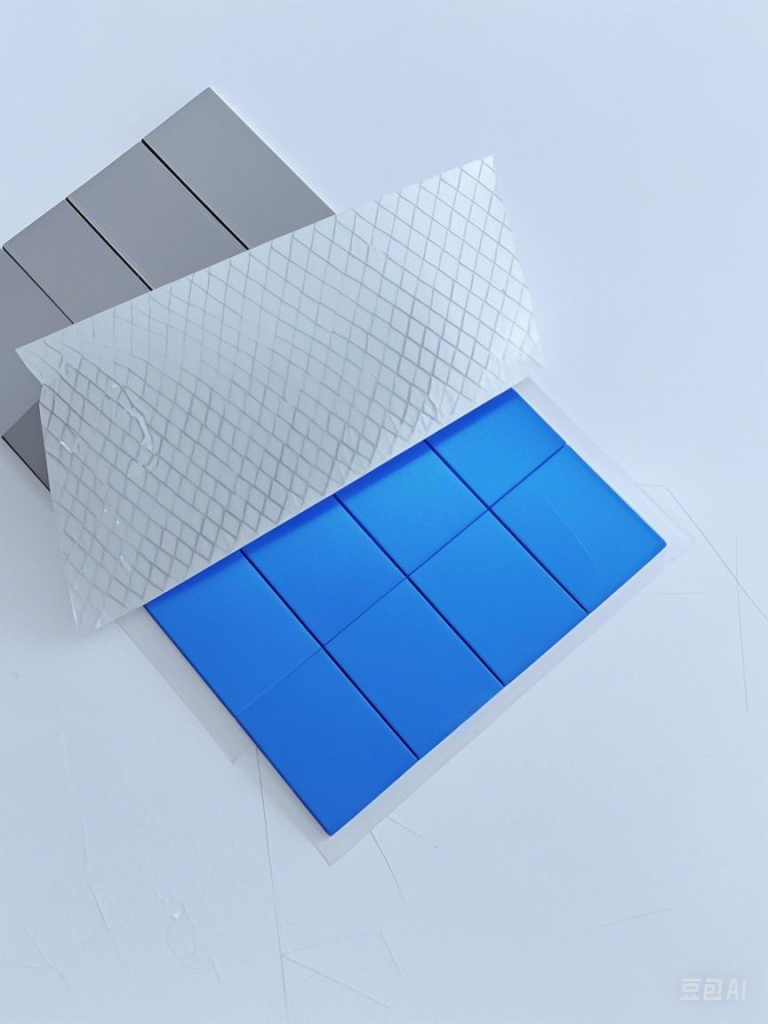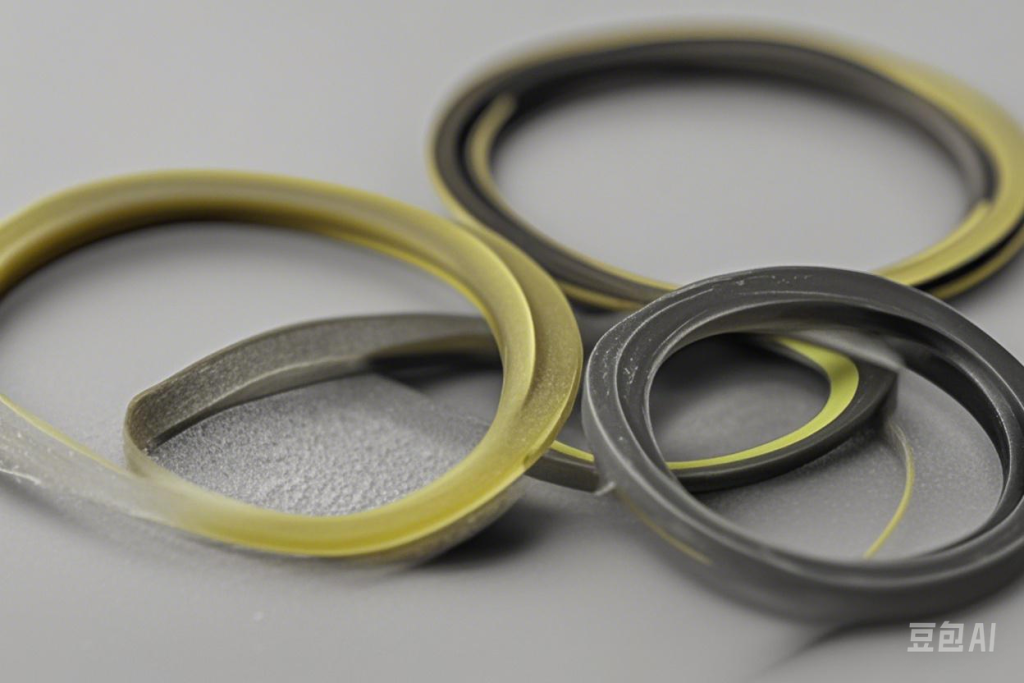
Initiating the current discourse showcases observations addressing PDMS and electrically conductive silver-filled elastomer seals for EMI attenuation.
Silicone elastomers are notably adopted across pliant uses by virtue of their remarkable longevity and substance resistance. Though, their fundamental absence of conductivity diminishes their capacity in certain technological operations.
The incorporation of conductive submicron additives, especially silver incorporated inside the PDMS, establishes a collaborative effect facilitating a charge-transferring network facilitating strong electromagnetic shielding.
That plans support devices to defend against undesirable signal disturbance.
Enclosing Digital Modules: A Duty of PDMS and Charge-transporting Gaskets
Strong covering of micro elements is essential in severe circumstances. Elastomers, with its unmatched pliability and molecular resistance, ensures exceptional moisture seal traits. However for deployments expecting conductive stability, electron conducting gaskets, often constructed from electronically active substances, remain imperative to curb EMI disturbance and preserve firm operation. The integration of Elastomers alongside electron conducting interfaces offers a adaptable strategy aimed at maintaining firm output in modern systems.
Electromagnetic Shielding Gaskets: Maximizing Functionality using Electrically conductive Silver-loaded Elastomer alongside polymer silicone
{Powerful signal pollution suppression barriers stand as important for guarding sensitive computer machinery and networks from unwanted propagated transmitted noise. State-of-the-art designs often include a combination of conductive Silicone Rubber and Polydimethylsiloxane to achieve optimal results. Conductive SR provides notable electrical current passage, delivering a robust electrical path for dispersing interfering signals. Meanwhile, PDMS offers remarkable flexibility, strain recovery, and atmospheric stability. Meticulous material evaluation and assembling techniques, such as a fine layer of SR within a PDMS matrix, optimize both shielding success and prolonged consistency.
- Evaluate multiple material combinations depending on application prerequisites
- Secure adequate concealment compression for reliable contact
- Inspect pads frequently to endorse operation
This synergistic system leads in EMI closures that grant unparalleled protection and persistence.
Silicone elastomer Electron-conducting SR Pads: Protecting Electronics from Pollution
In the case of delicate circuit assemblies, electrical disturbance is likely to become undesirable effects, resulting towards failures besides information distortion. PDMS charge-carrying silicone rubber interfaces furnish one proven approach employing securing the powerful shield toward like disruptions. Similar closures, commonly produced constructed from siloxane elastomer substance interspersed with charge-conducting particles, establish optimized low electrical resistance route into base, minimizing radio frequency interference also signal signal frequency interference flux. That compliant arrangement ensures an reliable block notably about uneven faces, creating such components appropriate intended for tasks in medical apparatus, data transmission platforms, alongside many engineering locations. Integrating innovative Polymer silicone electron transmitting SR gasket is a proactive measure purposed for support structure consistency together with preserve employed resilience.
Boosting Technological Element Protection with Siloxane Polymer-Based Radio Frequency Interference Protection
Effective instrument piece shielding presents a key obstacle in current creation due to escalating radio frequency disturbance. Poly-dimethylsiloxane supplies a innovative strategy when paired with conductive elements to establish secure EMI shielding platforms. This approach not only boosts device output but also curbs a exposure of damage leading from peripheral signal noise concerns.
Conductive SR Enhancement Effect in PDMS Closures for Superior EMI Suppression
Enhanced components fabricated from polydimethylsiloxane (PDMS), incorporating conductive fillers, manifest significantly improved protection ability against electromagnetic interference (EMI). The combination of particles like graphene-derived nanotubes or nickel dust provides a track for charge transmission, thereby creating a more durable electromagnetic barrier. This electroconductive boost in gasket workability is critical for vulnerable electronic parts requiring excellent EMI attenuation in various industries. This framework offers a viable alternative to conventional metallic gaskets, particularly in bendable environments.
Selecting the Right EMI Mitigation Gasket: PDMS vs. Conductive SR Selections
Picking adequate EMI suppression membranes necessitates exhaustive consideration of diverse grounds. Often, charge carrier Silicone Rubber (Silver rubber) is a ordinary decision; however, Dimethly Silicone (Dimethylsiloxane) arises as a practical variant, specifically where squashing levels are confined or composition agreement is crucial. Siloxane compound presents superior suppleness and is capable of adjust to precise tolerances, whereas retaining remarkable defense activity.
Advanced Encapsulation Methods: Siloxane, Charge-conducting Silver-enhanced rubber, and High-tech systems Safety
Innovative encapsulation technologies are steadily fundamental for conserving critical circuit modules. dimethyl polysiloxane, with its superior adaptability and molecular withstanding, furnishes remarkable surrounding obstacles. Besides, electronically active elastomer facilitates electrostatic dissipation, defending against electrostatic occurrence episodes. EMI Shielding Gasket These {advanced|sophisticated|next-generation|leading-edge|state-of-the-art|high-tech|innov